
Introduction
Hot weather puts extra pressure on air conditioning systems. During summer, a Carrier AC may operate for many hours each day. Continuous operation can increase energy consumption and place additional stress on important components. Therefore, regular maintenance becomes essential for reliable cooling and indoor comfort.
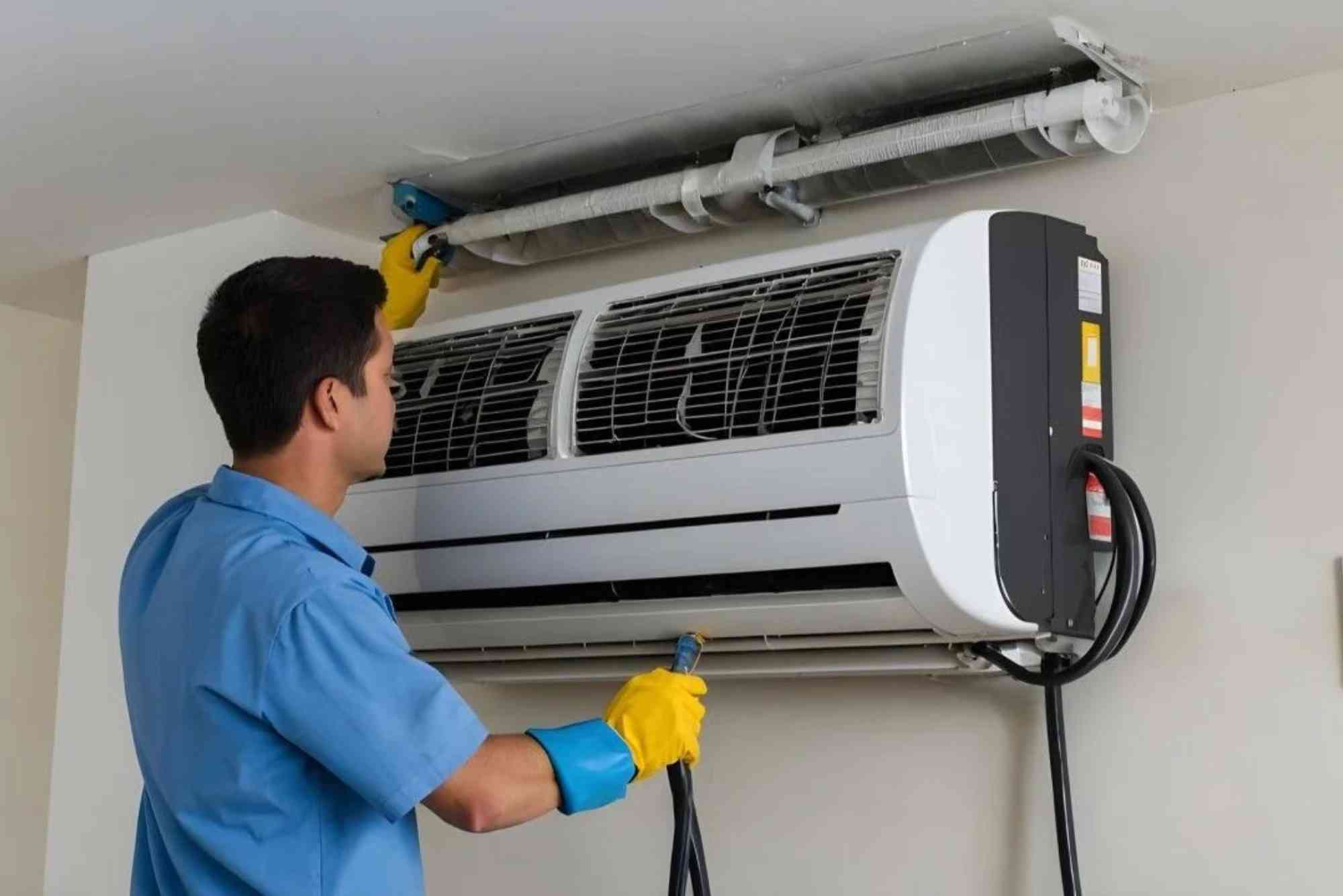
Following the right Carrier AC Maintenance Tips for Hot Weather Conditions can help property owners keep their systems efficient. Proper maintenance can also reduce unexpected breakdowns and extend equipment life. Simple checks, timely cleaning, and professional servicing can make a noticeable difference.
Whether you own a residential unit, office system, shop, or commercial property, preparation is important. A well-maintained Carrier AC can handle demanding summer conditions more effectively. Moreover, regular care can help maintain consistent indoor temperatures when outdoor temperatures rise sharply.
Why Carrier AC Maintenance Matters in Hot Weather
Air conditioners work harder when outdoor temperatures become extremely high. The compressor must run longer to remove heat from indoor spaces. As a result, neglected systems can experience reduced performance and higher electricity consumption.
Dust is another major concern in hot and dry environments. Dirty filters can restrict airflow and make the system work harder. Similarly, blocked outdoor coils can prevent heat from leaving the system efficiently.
This is why Carrier AC Maintenance Tips for Hot Weather Conditions should focus on airflow, cleanliness, refrigerant performance, electrical components, and overall system efficiency. Addressing these areas regularly can help prevent minor issues from becoming expensive repairs.

Clean or Replace Air Filters Regularly
Air filters are among the easiest components to inspect. However, they are also frequently overlooked. A dirty filter restricts airflow and forces the AC system to work harder.
During periods of heavy summer use, inspect filters more frequently. Homes near busy roads or construction areas may require more frequent cleaning. Commercial properties can also need additional filter attention because of higher occupancy.
A clean filter allows air to move more freely through the system. Consequently, the AC can distribute cool air more effectively. Good airflow also helps maintain comfort across different rooms.
Always follow the manufacturer’s recommendations for cleaning or replacing filters. If the filter is damaged or excessively dirty, replacement is usually the better option.
Keep Indoor and Outdoor Units Clean
Clean equipment is essential for efficient cooling. Dust and debris can accumulate around both indoor and outdoor components. Over time, this buildup can reduce performance.
For the indoor unit, keep vents and surrounding areas free from dust. Do not block supply or return vents with furniture, curtains, or storage items. Unrestricted airflow allows the system to operate more efficiently.
The outdoor unit requires special attention during summer. Leaves, dirt, plastic, and other debris can restrict airflow around the condenser. Maintain adequate clearance around the unit and remove visible debris carefully.
However, avoid opening electrical panels or attempting complicated cleaning yourself. Professional technicians should handle internal components and electrical work.
Inspect the Condenser Coils
Condenser coils play an important role in releasing heat from the refrigerant. When coils become covered with dirt, heat transfer becomes less effective.
During extremely hot weather, dirty condenser coils can cause the system to operate for longer periods. The result may be poor cooling and increased energy consumption.
Professional cleaning can restore proper heat transfer when significant dirt has accumulated. A technician can also inspect the coil condition and identify corrosion or physical damage.
As part of Carrier AC Maintenance Tips for Hot Weather Conditions, condenser inspection should not be ignored. Efficient heat rejection is especially important when outdoor temperatures are high.
Check Refrigerant Performance
Refrigerant is essential for the cooling process. If the system has insufficient refrigerant because of a leak, cooling performance can decline.
Common signs may include weak cooling, longer operating cycles, unusual ice formation, or inconsistent temperatures. However, these symptoms can have several possible causes.
A qualified technician should diagnose refrigerant problems. Simply adding refrigerant without identifying a leak may not solve the underlying issue.
Professional maintenance can include checking refrigerant pressure and examining the system for possible leaks. This approach helps maintain proper cooling performance while protecting the equipment.
Examine Electrical Connections
High summer temperatures can increase the operating demands placed on electrical components. Loose connections, damaged wiring, or worn electrical parts can affect system performance.
Electrical inspection should be performed by a qualified professional. Technicians can examine connections, capacitors, contactors, and other important components.
Early detection is valuable because electrical problems can cause unexpected shutdowns. In some cases, neglected electrical issues may also damage major components.
Therefore, professional electrical inspection should be part of seasonal AC maintenance. It is particularly important before periods of continuous summer operation.
Check the Thermostat Settings
Your thermostat controls when the AC operates. Incorrect settings can cause unnecessary cooling cycles and increase electricity use.
Set a comfortable temperature rather than choosing an extremely low setting. Lowering the thermostat dramatically does not necessarily cool the room faster. Instead, it can make the system operate longer.
If your Carrier system uses a programmable or smart thermostat, use scheduling features effectively. Set temperatures according to occupancy patterns.
For example, you can maintain a comfortable temperature while people are present. You can then adjust the setting when the property is empty.
Inspect Ductwork and Airflow
Ductwork distributes conditioned air throughout a property. Leaks, gaps, or damaged insulation can reduce cooling efficiency.
If some rooms remain warm while others are comfortable, airflow problems may be responsible. Blocked vents and duct leakage can also contribute to uneven cooling.
A professional technician can inspect accessible ductwork and identify potential problems. Proper sealing and insulation can improve air distribution and reduce energy losses.
This is particularly useful in larger properties where long duct runs can affect overall performance.
Check for Unusual Sounds and Odours
Changes in system sounds can provide early warnings. Grinding, rattling, buzzing, or persistent clicking should not be ignored.
Unusual odours can also indicate problems. Musty smells may suggest moisture or contamination, while burning smells require immediate attention.
Turn off the system if you notice a strong burning smell or another potentially dangerous symptom. Contact a qualified HVAC professional for inspection.
Early intervention can prevent a small mechanical problem from becoming a major failure.
Schedule Professional Seasonal Maintenance
DIY maintenance is useful, but it cannot replace professional servicing. A trained technician can inspect components that are not accessible to property owners.
Professional maintenance may include checking airflow, coils, electrical components, refrigerant performance, drainage, controls, and system operation.
Ideally, arrange maintenance before the hottest part of the season. This provides an opportunity to identify problems before the AC is placed under maximum demand.
Regular servicing can also help identify aging components before they fail unexpectedly.
Keep the Drain System Clear
Air conditioning systems remove moisture from indoor air. That moisture normally travels through a condensate drain system.
If the drain becomes blocked, water can accumulate inside or around the indoor unit. This may lead to leaks, unpleasant smells, or moisture damage.
Check for visible signs of water around the indoor unit. However, professional cleaning is recommended when the drain line appears blocked.
Keeping the condensate system clear is another important part of Carrier AC Maintenance Tips for Hot Weather Conditions.
Improve Efficiency Around the Property
AC maintenance works best when combined with sensible cooling practices. Keep doors and windows closed while the system is operating.
Use curtains, blinds, or other shading solutions to reduce direct sunlight. This can lower the amount of heat entering rooms during the hottest hours.
Check doors and windows for obvious air gaps. Better insulation helps conditioned air remain indoors for longer.
Ceiling fans can also improve perceived comfort by circulating air. They should complement the AC rather than replace proper maintenance.
These simple measures can reduce the cooling burden and support more efficient AC operation.
Know When to Call a Professional
Some warning signs require professional attention. These include weak airflow, persistent warm air, frequent shutdowns, water leakage, unusual noises, and rising energy bills.
A sudden change in cooling performance should not be ignored. Continuing to operate a malfunctioning system may increase component wear.
Professional diagnosis is especially important when the issue involves refrigerant, electrical parts, compressors, or internal controls.
Property owners looking for reliable cooling equipment and professional options can also explore O General ac abu dhabi for additional air conditioning solutions.
For Carrier equipment, working with a knowledgeable Carrier ac dealer can also help with product selection, installation, servicing, and maintenance requirements.
Create a Summer Maintenance Routine
A simple maintenance routine makes AC care easier. Inspect filters regularly and keep indoor vents unobstructed.
Check the outdoor unit for debris throughout the summer. Monitor cooling performance and pay attention to unusual sounds or smells.
Professional servicing should also be scheduled according to the system’s condition and usage. High-use commercial systems may require more frequent attention than lightly used residential units.
Keeping maintenance records can also help. Note service dates, filter replacements, repairs, and recurring problems. This information can help technicians diagnose issues more efficiently.
Benefits of Regular Carrier AC Maintenance
Following Carrier AC Maintenance Tips for Hot Weather Conditions can provide several practical benefits. First, regular maintenance can support consistent cooling during periods of extreme heat.
Second, it can help reduce unnecessary energy consumption. A clean and properly adjusted system generally does not need to work as hard to deliver the required cooling.
Third, maintenance can reduce the likelihood of unexpected breakdowns. Identifying worn components early gives property owners more time to arrange repairs.
Finally, proper maintenance can support longer equipment life. Air conditioning systems are significant investments, so protecting their performance is worthwhile.
Conclusion
Hot weather can place substantial demands on any air conditioning system. Carrier AC units can deliver dependable cooling, but regular maintenance remains essential for performance and efficiency.
The most effective Carrier AC Maintenance Tips for Hot Weather Conditions include cleaning filters, maintaining outdoor units, checking airflow, inspecting coils, monitoring refrigerant performance, and scheduling professional servicing. Property owners should also watch for unusual sounds, odours, leaks, and changes in cooling performance.
Dubai is a city filled with exciting experiences, modern attractions, business opportunities, and unforgettable destinations. For useful information about Dubai, from lifestyle and travel insights to local places and events, explore Dear Dubai. It is a helpful online resource for discovering what makes Dubai unique and staying informed about the city.
Related Reading: When Should a Business Consider an Annual Maintenance Contract? — full guide
Related Reading: Tips For Organizing Your Storage Facility Efficiently — full guide