Introduction
Summer in the United Arab Emirates can be extremely challenging for pets. High temperatures, intense sunlight, and hot pavement create serious health risks for dogs. Unlike humans, dogs cannot cool themselves efficiently through sweating. Instead, they mainly regulate body temperature through panting. However, excessive heat and humidity can overwhelm their natural cooling system.
Pet Care in UAE Summer: 7 Rules to Prevent Dangerous Heatstroke in Dogs is an important topic for every responsible dog owner. Whether you live in Dubai, Abu Dhabi, Sharjah, or another UAE emirate, protecting your dog requires extra attention during warmer months. Even a short outdoor walk can become dangerous when temperatures rise.
Heatstroke is a serious medical emergency that can damage internal organs. Therefore, understanding its warning signs and prevention methods is essential. With suitable routines, fresh water, shaded spaces, and proper grooming, you can help your dog remain comfortable throughout summer.
Understanding the Dangers of Summer Heat for Dogs in the UAE
The UAE experiences extremely hot summers, with temperatures frequently exceeding 40°C. Humidity can also increase discomfort, particularly in coastal areas. These conditions make outdoor activities difficult for pets.
Dogs with thick coats, flat faces, older dogs, puppies, and overweight pets face additional risks. Breeds such as Bulldogs, Pugs, and French Bulldogs may struggle because of their shorter airways. However, heatstroke can affect any dog, regardless of breed or age.
When a dog’s body temperature rises excessively, its cooling system becomes less effective. This can cause heavy panting, weakness, vomiting, confusion, and collapse. Without immediate veterinary treatment, severe heatstroke can become life-threatening.
For this reason, summer pet care should focus on prevention rather than waiting for symptoms.
Rule 1: Avoid Walking Your Dog During Peak Heat
One of the most important summer safety practices involves adjusting your dog’s walking schedule. During UAE summers, midday outdoor temperatures can become dangerous. Pavements and roads may become considerably hotter than the surrounding air.
Walking during peak sunlight increases the risk of overheating and paw burns. Therefore, schedule outdoor activities early in the morning or later in the evening. Always check the temperature before leaving home.
Choose Cooler Walking Hours
Early morning walks are generally safer because outdoor surfaces have not absorbed as much daytime heat. Evening walks can also provide more comfortable conditions. However, pavements may remain hot after sunset.
Check the ground temperature before allowing your dog to walk. If the pavement feels uncomfortable against your hand, choose a cooler route or avoid walking.
Keep outdoor sessions shorter during particularly hot weather. Your dog can enjoy indoor activities instead of unnecessary exposure.
Rule 2: Provide Fresh Drinking Water Throughout the Day
Dehydration can increase the risk of heat-related illness. Dogs lose moisture through panting, especially when temperatures and humidity rise. Consequently, access to clean drinking water becomes essential.
Place multiple water bowls around your home. Keep one near your dog’s resting area and another in its usual activity space. Change the water regularly to maintain freshness.
Keep Water Available During Outdoor Activities
Always carry a portable water bottle and collapsible bowl when travelling with your dog. Offer small amounts of fresh water during breaks.
Never force your dog to drink excessive amounts quickly. Instead, provide regular opportunities to drink comfortably.
Additionally, check water bowls throughout the day. Direct sunlight can make outdoor water uncomfortably warm. Fresh, cool water encourages regular drinking and supports healthy hydration.
Rule 3: Never Leave Your Dog Inside a Parked Car
Leaving a dog inside a parked vehicle is extremely dangerous during UAE summer. Even when windows remain slightly open, the interior temperature can rise rapidly.
A parked car can become dangerously hot within minutes. Dogs cannot escape the rising temperature, making heatstroke a serious possibility.
Make Car Travel Safer
Whenever possible, leave your dog at home when running errands. If your pet must travel, use a properly air-conditioned vehicle.
Keep the air conditioning running during the journey. Never leave your dog unattended inside the car, even for a short period.
Before travelling, ensure your pet has access to drinking water. Plan comfortable stops when necessary. These simple precautions help reduce unnecessary heat exposure.
Rule 4: Maintain a Cool and Comfortable Indoor Environment
Indoor temperatures also matter when discussing Pet Care in UAE Summer. Although staying indoors provides protection from direct sunlight, poorly ventilated rooms can still become uncomfortable.
Air conditioning helps maintain a suitable environment for dogs. However, ensure your pet can move away from direct cold airflow whenever necessary.
Create a Dedicated Cooling Area
Choose a quiet area with comfortable flooring and good ventilation. Provide a clean bed, fresh water, and sufficient space for resting.
Cooling mats can offer additional comfort during particularly hot days. However, introduce new products gradually and supervise your dog.
Close curtains during intense afternoon sunlight. This reduces indoor heat accumulation and creates a more comfortable resting environment.
Never leave your dog on an enclosed balcony during extreme temperatures. Outdoor spaces can become dangerous even when they appear shaded.
Rule 5: Groom Your Dog According to Its Coat Type
Proper grooming supports comfort and skin health during summer. However, shaving every dog’s coat is not recommended.
A dog’s coat can provide protection against sunlight and environmental exposure. Removing it completely may increase the risk of sunburn, particularly in breeds with naturally thick or double coats.
Choose Appropriate Summer Grooming
Regular brushing removes loose hair, dirt, and tangles. It also helps maintain healthy skin and coat condition.
Long-haired dogs may benefit from professional trimming when appropriate. However, grooming decisions should consider breed characteristics and coat structure.
Pay particular attention to areas where moisture and dirt accumulate. Clean ears, paws, and other sensitive areas carefully.
If you are unsure about suitable grooming techniques, consult a qualified professional groomer or veterinarian.
Rule 6: Recognize the Early Signs of Heatstroke
Recognizing heatstroke symptoms quickly can save your dog’s life. Many owners initially mistake overheating for ordinary tiredness. However, unusual behaviour after heat exposure should never be ignored.
Early warning signs may include excessive panting, drooling, restlessness, and unusual weakness. Some dogs may also develop bright red or unusually pale gums.
Understand Serious Heatstroke Symptoms
As the condition progresses, symptoms can become more severe. Vomiting, diarrhoea, confusion, difficulty walking, and collapse require immediate veterinary attention.
Severe cases may involve seizures or unconsciousness. These symptoms indicate a medical emergency.
If you suspect heatstroke, move your dog into a cooler environment immediately. Begin cooling its body with cool or room-temperature water, particularly around the neck, abdomen, and body.
Use air conditioning or a fan to support cooling. Avoid ice-cold water because it can cause blood vessels to constrict.
Contact an emergency veterinarian immediately. Do not delay professional treatment while waiting for your dog to recover.
Rule 7: Adjust Exercise, Diet, and Outdoor Activities
Dogs still need exercise during summer, but their routines should change. Long walks, intense running, and outdoor games can increase body temperature quickly.
Instead, choose short, gentle activities during cooler periods. Indoor games can provide mental stimulation without exposing your pet to extreme weather.
Choose Indoor Enrichment Activities
Interactive toys, puzzle feeders, and simple training exercises keep dogs mentally engaged. These activities reduce boredom while limiting outdoor heat exposure.
You can also introduce gentle indoor games that encourage movement. However, monitor your dog for excessive panting or tiredness.
Maintain regular feeding schedules and provide balanced meals. Always ensure fresh water remains available.
Avoid suddenly increasing exercise after a period of inactivity. Gradual activity adjustments help your dog remain comfortable and healthy.
Additional Summer Pet Care Tips for UAE Dog Owners
Beyond the seven essential rules, a few additional precautions can improve your dog’s summer safety.
Pet owners should pay attention to humidity, as it can make cooling through panting less effective. Therefore, even evening temperatures may remain uncomfortable.
Dogs with respiratory conditions or existing health problems may require additional protection. Speak with your veterinarian about suitable summer routines.
When visiting beaches, parks, or outdoor attractions, check whether pets are permitted and whether shaded facilities are available. Always provide drinking water and avoid prolonged exposure.
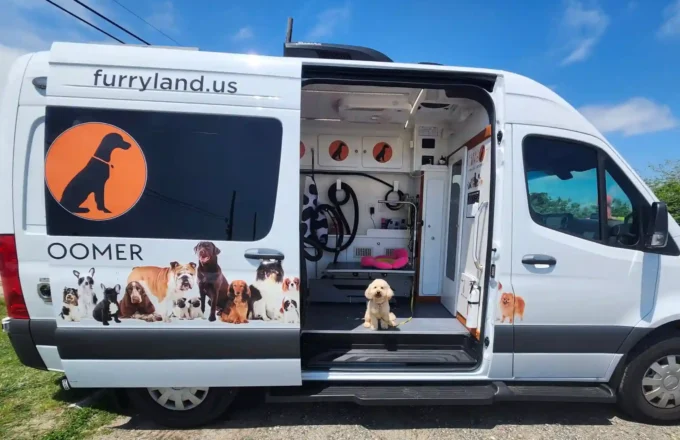
Professional mobile grooming services can also make summer maintenance more convenient. They allow owners to arrange suitable grooming without unnecessary travel. Nevertheless, choose providers with appropriate facilities and animal-handling experience.
Most importantly, never assume your dog will stop exercising when it becomes too hot. Some dogs continue playing despite dangerous temperatures. Owners must recognize when outdoor activity should end.
Frequently Asked Questions
How can I keep my dog cool during UAE summer?
Keep your dog indoors in an air-conditioned environment whenever outdoor temperatures become excessive. Provide fresh drinking water and comfortable resting spaces. Schedule walks during cooler morning or evening hours. Cooling mats and gentle indoor activities can also improve comfort.
What are the first signs of heatstroke in dogs?
Excessive panting, heavy drooling, restlessness, weakness, and unusually red gums can indicate overheating. Vomiting, confusion, difficulty walking, and collapse are more serious warning signs. Contact a veterinarian immediately if heatstroke is suspected.
What temperature is too hot for dogs to walk outside?
There is no single safe temperature for every dog. Risk depends on humidity, sunlight, pavement temperature, breed, age, and health. Temperatures above 30°C can already create significant risks, particularly for vulnerable dogs. Always assess conditions rather than relying on temperature alone.
Can dogs stay outside in UAE summer?
Dogs should not remain outdoors for extended periods during extreme UAE summer conditions. Shade alone may not provide sufficient protection against heat and humidity. Keep outdoor exposure brief and supervised, with access to fresh water.
Should I shave my dog during summer?
Not necessarily. Shaving double-coated breeds can interfere with natural coat protection. Regular brushing and appropriate professional trimming are generally better options. Ask your veterinarian or groomer about breed-specific grooming requirements.
How do I cool down a dog suffering from heatstroke?
Move your dog into an air-conditioned environment and apply cool water to its body. Use a fan to support cooling and contact an emergency veterinarian immediately. Avoid ice baths and never delay professional treatment.
Are certain dog breeds more vulnerable to summer heat?
Yes. Flat-faced breeds, including Bulldogs, Pugs, and French Bulldogs, often face greater overheating risks. Puppies, senior dogs, overweight pets, and dogs with existing health conditions also require additional precautions.
Conclusion
Responsible Pet Care in UAE Summer: 7 Rules to Prevent Dangerous Heatstroke in Dogs starts with understanding the risks of extreme temperatures. Dogs depend on their owners to provide suitable environments, hydration, exercise routines, and protection from excessive heat.